Method 07
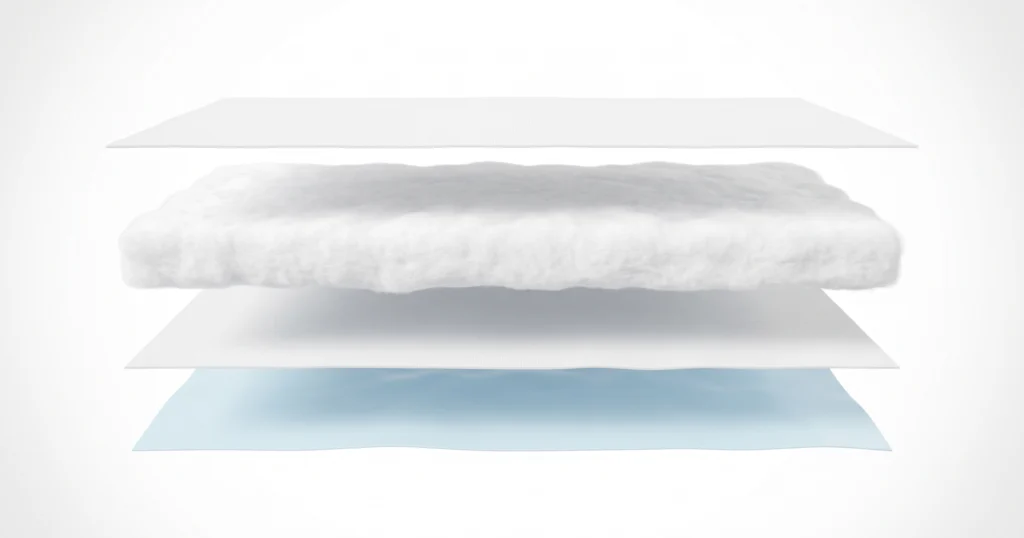
Problem it solves: You changed one material and the entire product behaved differently — but you do not know why. Was it the material itself, or the way it interacted with the adjacent layer? Without isolating the variable, every fix is a guess, and every guess costs another sample run and another four weeks.
Cross-Component DOE answers a question that standard testing cannot: when a product underperforms, is the problem in the material or in the interaction between materials?
What you receive:
Variable Isolation Matrix — a structured table showing every component swap, the performance delta it produced, and the statistical significance of the difference. You see exactly which layer is responsible for which performance outcome.
Interaction Map — a visual showing which component combinations produce positive synergies and which create conflicts. This prevents the common mistake of optimizing one layer in isolation and degrading another.
Ranked Configuration Table — all tested combinations ranked by the metrics that matter to your product strategy, with trade-off annotations showing where performance gains come at cost or manufacturability penalties.
The most expensive product development mistake is not choosing the wrong material — it is changing the right material because the diagnostic pointed to the wrong layer.
Proof & Evidence
Related Solutions
Related Insights
The Cross-Component DOE: Testing Combinations, Not Individual Materials
Technical Deep Dive
The Blind Test: Why the Most Important Screening Step Is the One Most Brands Skip
Supply Chain Strategy
Hot-Air vs. Spunlace ADL: The Architecture Decision That Shapes Your Product
Technical Deep Dive
Approaching INDEX™ 26 Geneva: What a Supply Chain Engineer Looks For
Market TrendsDescribe your current challenge. We'll map it to the right methodology and tell you exactly what we'd do — before any commitment.