Method 06
Problem it solves: You read your competitor's packaging claims — 'ultra-absorbent core,' 'cloud-soft topsheet,' 'leak-proof protection.' But you have no way to know whether those claims reflect real engineering advantages or just better copywriting. Without physical evidence, your product strategy is built on guesses about what competitors are actually doing inside the product.
A forensic audit is not a test report — it is an engineering intelligence document that answers: what did the competitor build, why did they build it that way, and what does it mean for your product strategy?
What you receive:
Layer-by-Layer Weight Map — every component weighed and mapped, showing exactly how the competitor distributes material investment across the product. You see where they spend and where they economize.
Material Identification Report — fiber types, construction methods, adhesive patterns, and film specifications identified for each layer. You know what the product is actually made of, not what the packaging says.
Performance Benchmark Data — absorption, rewet, and retention tested at multiple load cycles alongside your own product. You see exactly where you lead, where you trail, and by how much.
Engineering Interpretation — not just data, but analysis of the design intent behind each construction choice. Why did they use this core architecture? What performance trade-off does their backsheet choice represent? This interpretation converts raw data into strategic intelligence.
Proof & Evidence
Related Solutions
Related Insights
The Cross-Component DOE: Testing Combinations, Not Individual Materials
Technical Deep Dive
The Blind Test: Why the Most Important Screening Step Is the One Most Brands Skip
Supply Chain Strategy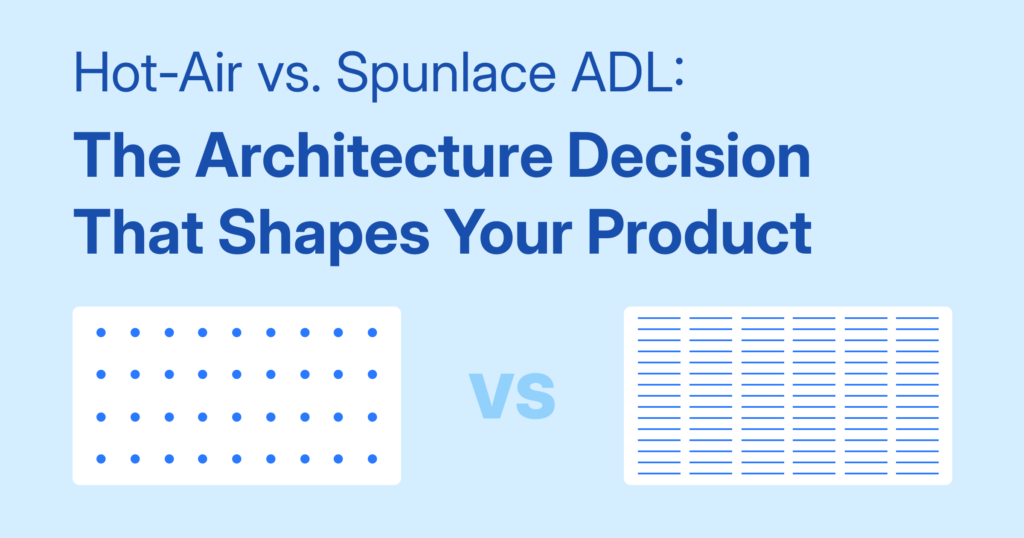
Hot-Air vs. Spunlace ADL: The Architecture Decision That Shapes Your Product
Technical Deep Dive
Approaching INDEX™ 26 Geneva: What a Supply Chain Engineer Looks For
Market TrendsDescribe your current challenge. We'll map it to the right methodology and tell you exactly what we'd do — before any commitment.