Method 05
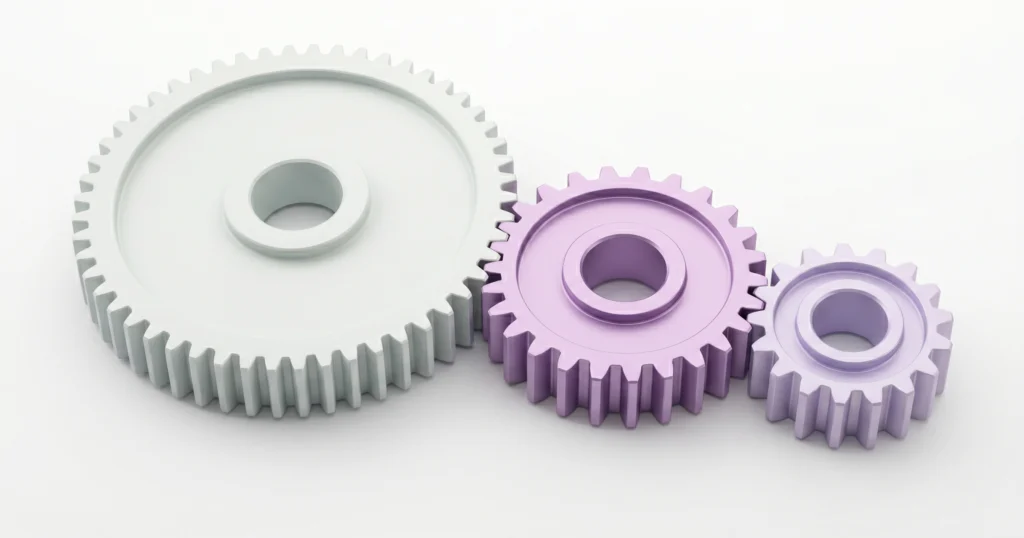
Problem it solves: Your supply chain partner either thinks like a factory — optimizing for production efficiency and material cost — or thinks like a brand consultant — optimizing for market positioning and consumer claims. Neither perspective alone produces a product that is both manufacturable at target cost and competitive at retail. The gap between these two worldviews is where most product development projects stall.
The Dual Perspective is applied at three decision points where single-perspective advice most commonly fails:
Material Selection — brand-side logic says “choose the material that creates the best consumer experience.” Manufacturing-side logic says “choose the material that runs consistently on available equipment.” The dual perspective finds the intersection: which materials deliver the consumer experience the brand needs AND can be produced reliably at the required volume and cost?
Specification Writing — brand-side specifications describe what the product should feel like. Factory-side specifications describe what the machine should produce. The dual perspective writes specifications that satisfy both: measurable parameters tied to consumer-perceptible outcomes, with tolerance ranges that reflect manufacturing reality.
Supplier Evaluation — brand-side evaluation asks “can they make what I need?” Manufacturing-side evaluation asks “can they make it consistently at scale?” Procurement-side evaluation asks “is this the right cost-quality trade-off?” The dual perspective evaluates all three simultaneously — because the supplier that scores highest on one dimension is not always the best choice overall.
Proof & Evidence
Related Solutions
Related Insights
The Cross-Component DOE: Testing Combinations, Not Individual Materials
Technical Deep Dive
The Blind Test: Why the Most Important Screening Step Is the One Most Brands Skip
Supply Chain Strategy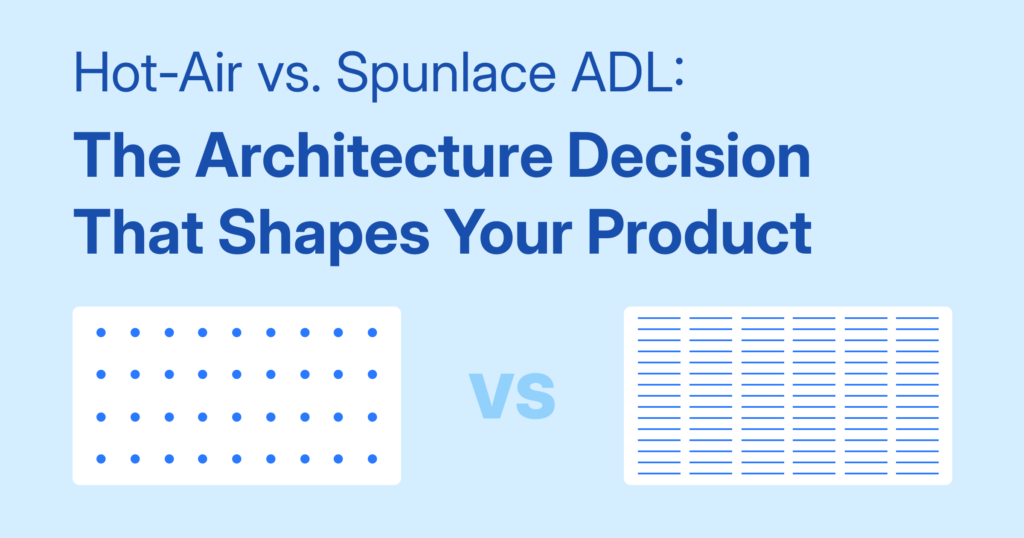
Hot-Air vs. Spunlace ADL: The Architecture Decision That Shapes Your Product
Technical Deep Dive
Approaching INDEX™ 26 Geneva: What a Supply Chain Engineer Looks For
Market TrendsDescribe your current challenge. We'll map it to the right methodology and tell you exactly what we'd do — before any commitment.