
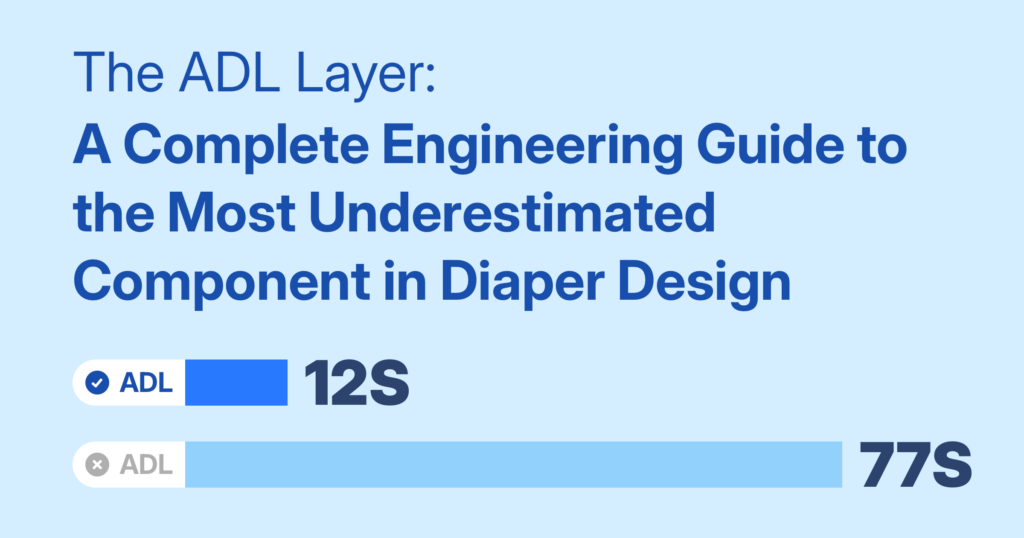
Pick★The ADL Layer: A Complete Engineering Guide to the Most Underestimated Component in Diaper Design
The ADL sits between topsheet and core, accounts for under 8% of BOM, and determines real-world dryness more than any other layer. Five process routes, system-level coupling effects, and what reverse engineering of five brands reveals.

Pick★Cotton in Diapers: From Fiber Science to Shelf — The Complete Decision Guide
A 12-chapter engineering deep dive into cotton topsheets for baby diapers — from fiber science and blend ratio decisions to BOM impact, consumer perception testing, regulatory compliance, project timelines, and post-launch batch variability management. For brands considering Path A (pure cotton) or Path B (cotton blend).
Pick★Developing Baby Diapers Through Asian Supply Chains: An Engineer’s Guide
From the initial judgment call of 'should I source from Asia?' to locked process parameters — a systematic engineering methodology for cross-ocean baby diaper development. Covers product DNA audit, competitive forensic analysis, material-first sourcing, supplier screening, specification translation, sampling management, PQ verification, and quality control.
Latest Articles
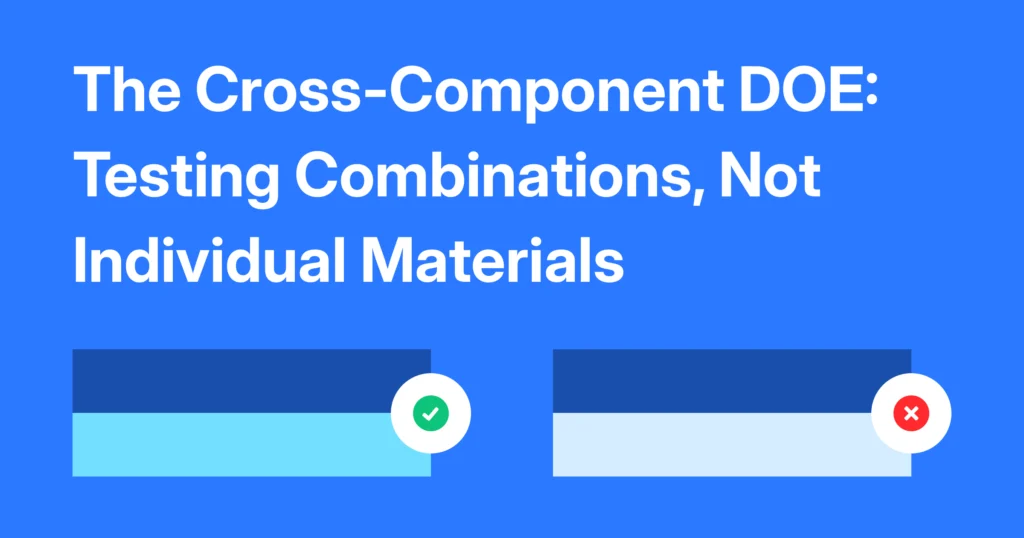
The Cross-Component DOE: Testing Combinations, Not Individual Materials
Your topsheet supplier says their material is the best. Your core supplier says the same about theirs. So does your ADL supplier. They may all be telling the truth. But…

The Blind Test: Why the Most Important Screening Step Is the One Most Brands Skip
A supplier with over thirty years of industry reputation ranked first in every evaluation. Every person involved — engineers, project managers, product leads — gave it top marks when they…

Hot-Air vs. Spunlace ADL: The Architecture Decision That Shapes Your Product
Your product's dryness perception depends less on which core you chose — and more on the layer between your topsheet and core that most consumers don't even know exists. We've…
Approaching INDEX™ 26 Geneva: What a Supply Chain Engineer Looks For
Once every three years. Geneva. The global nonwovens and hygiene industry's most important technical exhibition. Most attendees will tell you they "got a lot out of it." But press them…

CIDPEX 2026: Three Material Trends North American Brands Should Watch
Asia’s largest hygiene exhibition just wrapped up. Three days, over 800 exhibitors, covering the complete value chain from raw fiber to finished-goods equipment. Most trade show recaps give you an…

The Pass Line: Why You Need to Draw a Line Before You Start Sourcing
Most brands evaluate materials by collecting a dozen samples, testing each one, then comparing. The problem with this process is not “insufficient testing.” It is “not knowing what qualifies as…
The $100 Handmade Sample: When “Expensive” Is the Cheaper Path
One hundred dollars for a single diaper sample. That is not a typo. And in the early stages of product development, it may be the smartest investment you make. When…

The Outer Nonwoven: The First Surface Consumers and Buyers Actually Touch
Watch a retail buyer evaluate a new diaper for the first time. They do not open the package. They squeeze it through the bag. That squeeze lands on the outer…
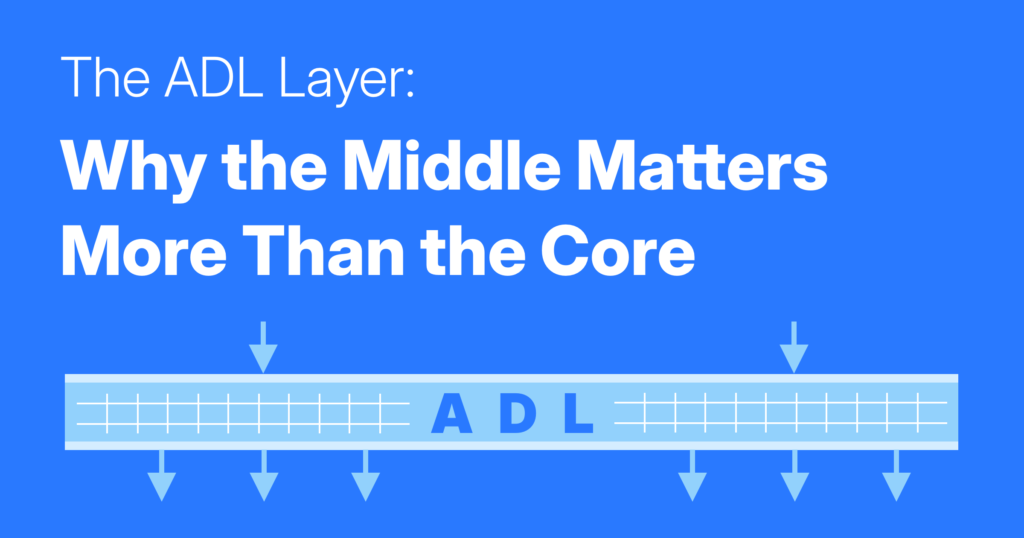
The ADL Layer: Why the Middle Matters More Than the Core
Ask a brand executive which layer matters most in a diaper, and they will say the core. That answer is not wrong — but it is incomplete. In product development…
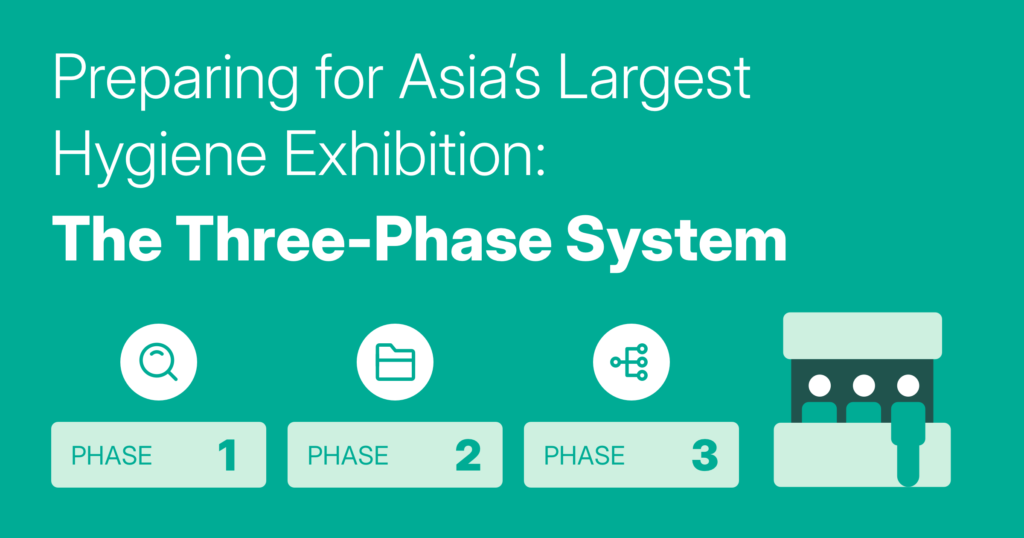
Preparing for Asia’s Largest Hygiene Exhibition: The Three-Phase System
Most supply chain teams attend trade shows like tourists. A systematic approach turns three days of walking into three months of actionable intelligence — and 80% of that value is…

Why Your Manufacturing Partner’s Capability Ceiling Becomes Your Product Ceiling
There is a persistent belief among emerging diaper brands that product quality is primarily a design problem. Define the right specification, source the right materials, and any competent manufacturer can…
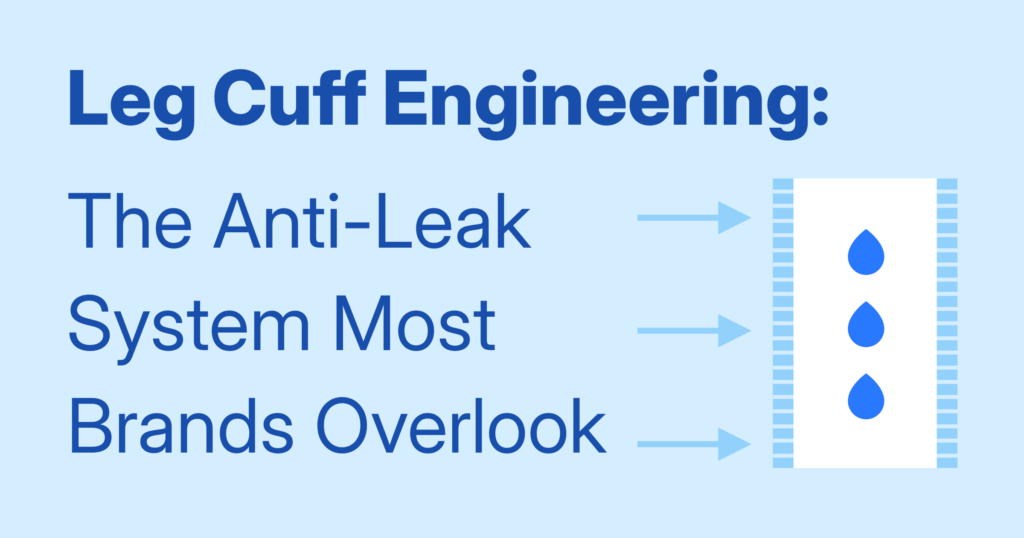
Leg Cuff Engineering: The Anti-Leak System Most Brands Overlook
When a diaper leaks, most people — consumers and brand teams alike — blame the absorbent core. The core was not absorbent enough. The core was too thin. The core…
Turn Insights into Action
Send us your product challenge and our engineers will apply these frameworks directly to your situation.