At the start of the engagement, the client provided a detailed technical requirement list spanning multiple dimensions from material certification to printing processes. By mid-engagement, after reviewing a full month of deliverables, the client voluntarily cut the list by more than half — focusing technical requirements on the two most critical material layers.
This was not reduced expectations. The client recognized that the depth of the preceding deliverables had already covered the underlying logic of most items on the list — she no longer needed item-by-item confirmation, but trusted the team to handle the rest. The simplification also had a strategic rationale: under a defined retail deadline, concentrating resources on the highest-impact layers was more effective than spreading effort across ten dimensions.
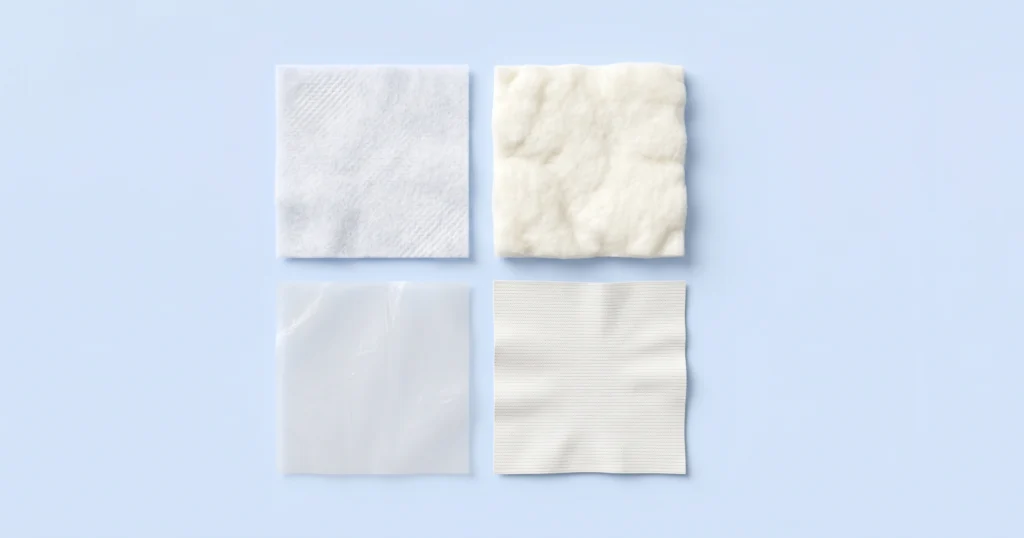
Later in the engagement, the product direction underwent an even larger shift — from an initially function-driven design approach to a construction centered on sensory experience and ultra-thin form factor. This pivot was not pushed by the consulting team — the client arrived at it after physically handling material samples at an industry exhibition, discovering that certain process constraints actually unlocked a more compelling design direction.
Three core material directions were locked during the engagement — each was not a recommendation from our team, but a conclusion the client derived independently from the data.