A US DTC brand believed their product was competitive based on supplier spec sheets and consumer reviews. No one had tested how its internal layers actually interact under multi-dose stress.
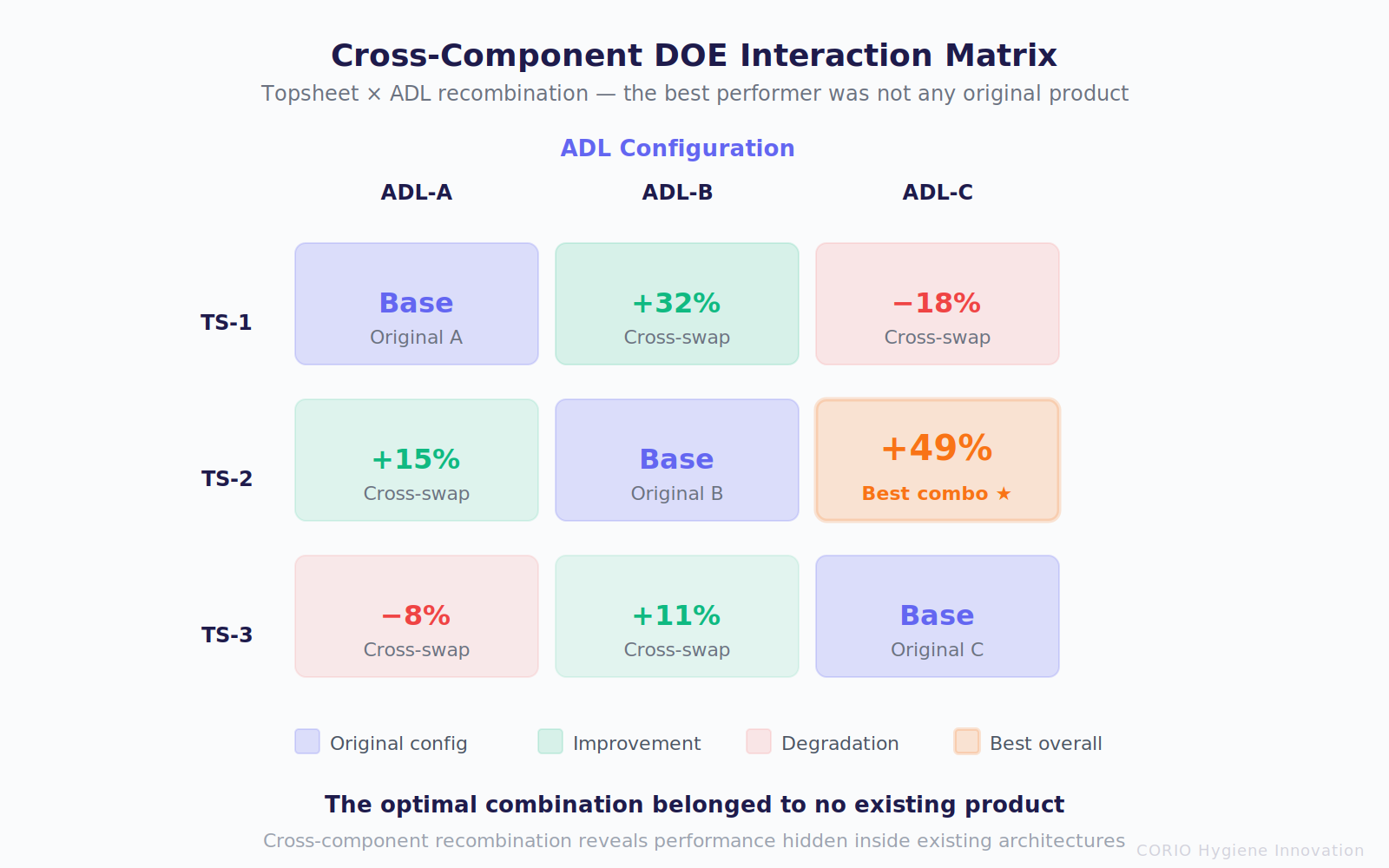
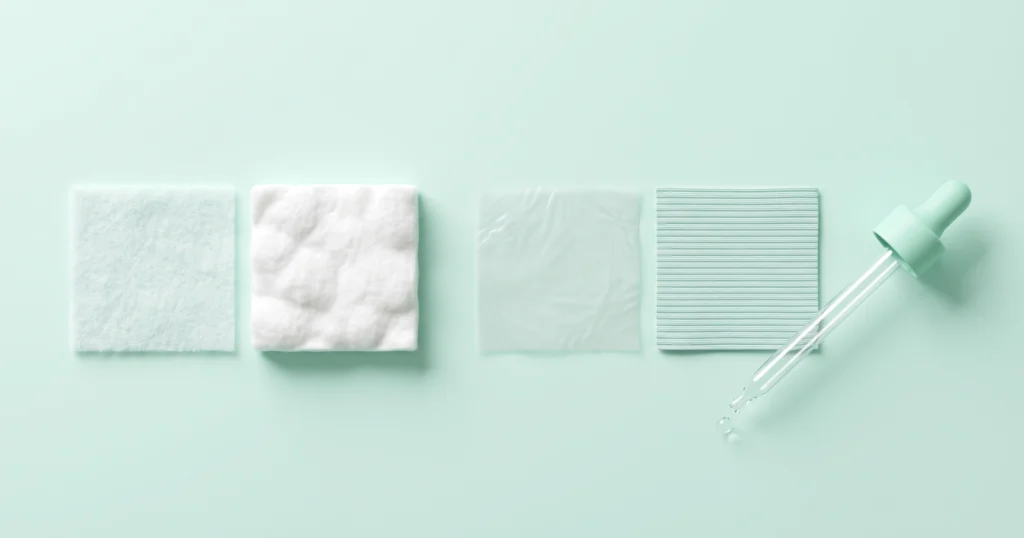
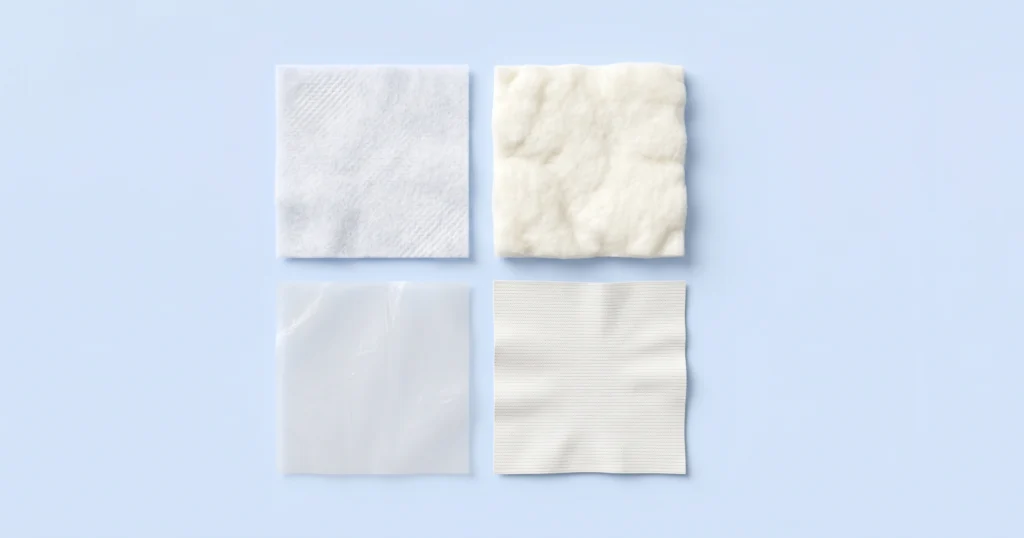
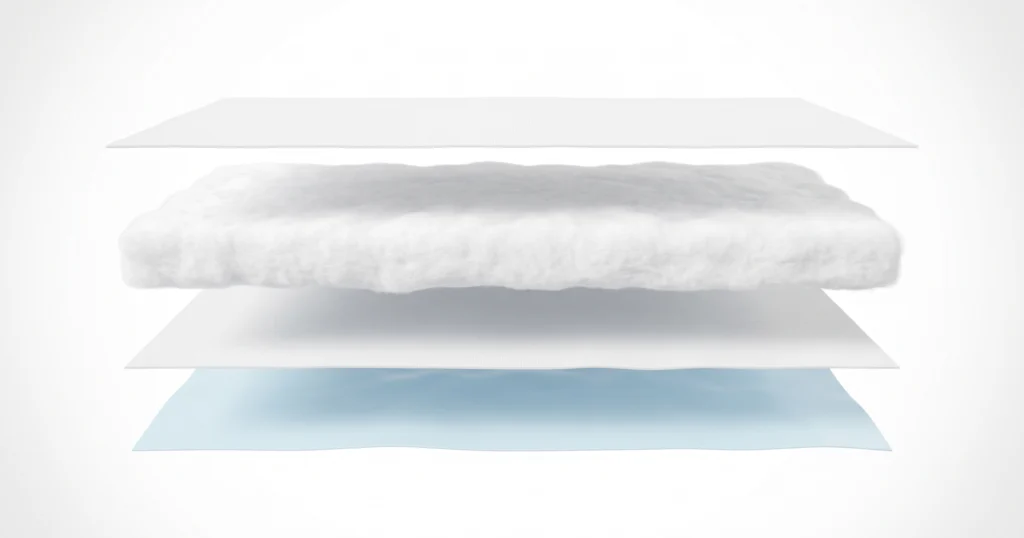
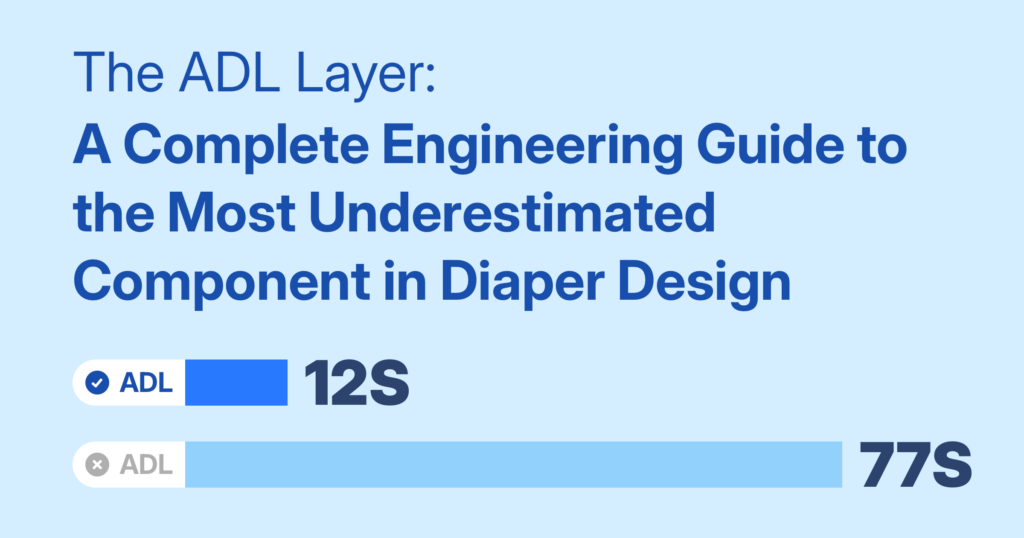
We disassembled both the client’s product and a leading competitive benchmark, coded each material layer (A through E), and recombined them into 6 cross-swap configurations. Round 1 at N=1 for rapid screening, Round 2 at N=2 for trend confirmation — completed within 48 hours. The top formulation (DBE) achieved 2nd-dose absorption of 13 seconds versus the client’s 25.6 seconds — a 49% improvement. Third-dose rewet dropped from approximately 12g to approximately 7g — a reduction of roughly 42%.
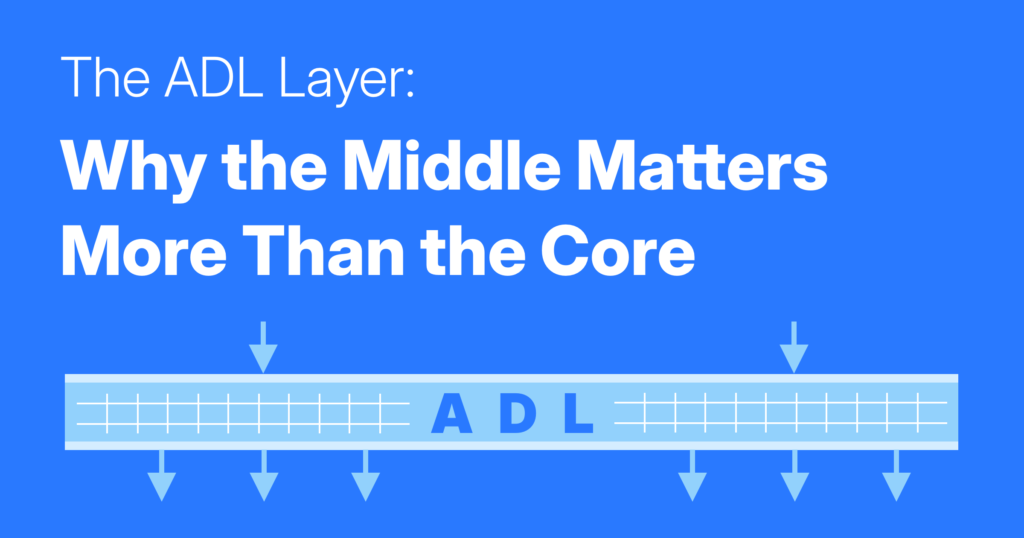
The improvement came entirely from recombining existing materials in a different layer architecture. No new materials were developed. The DOE isolated that the ADL and core layers were the primary performance drivers, while topsheet choice affected speed-versus-dryness tradeoffs.
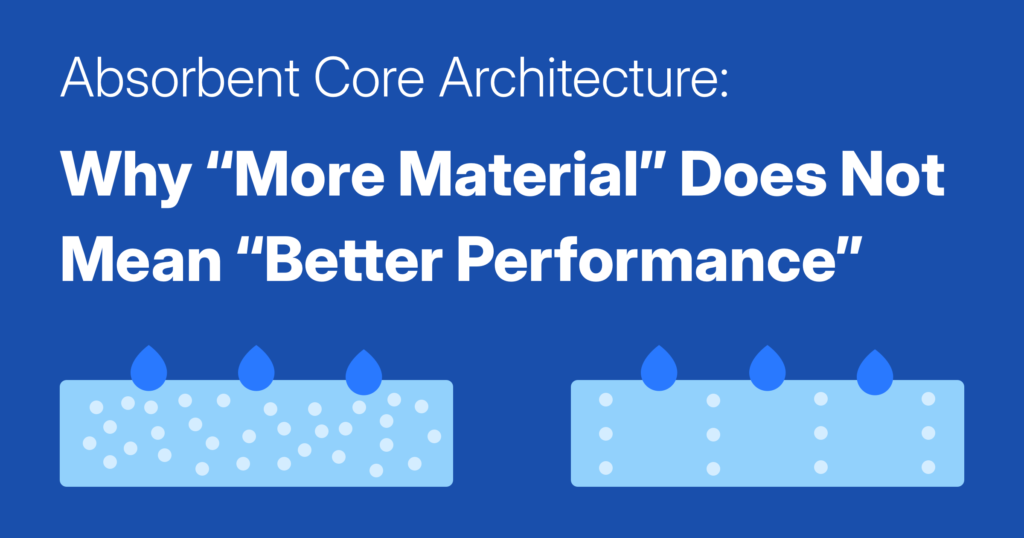
The client’s R&D team adopted this formulation as a validated safety floor (see also: our progressive validation protocol) — any future material must outperform DBE to be considered. This single test reframed the entire product development strategy from “find better materials” to “optimize the architecture.”