Method 11
Problem it solves: By the time you hear about a new material or manufacturing technology through trade publications or supplier presentations, your competitors may already be testing it. The information gap between what is available in China's material supply chain and what North American brands know about is measured in months — sometimes years.
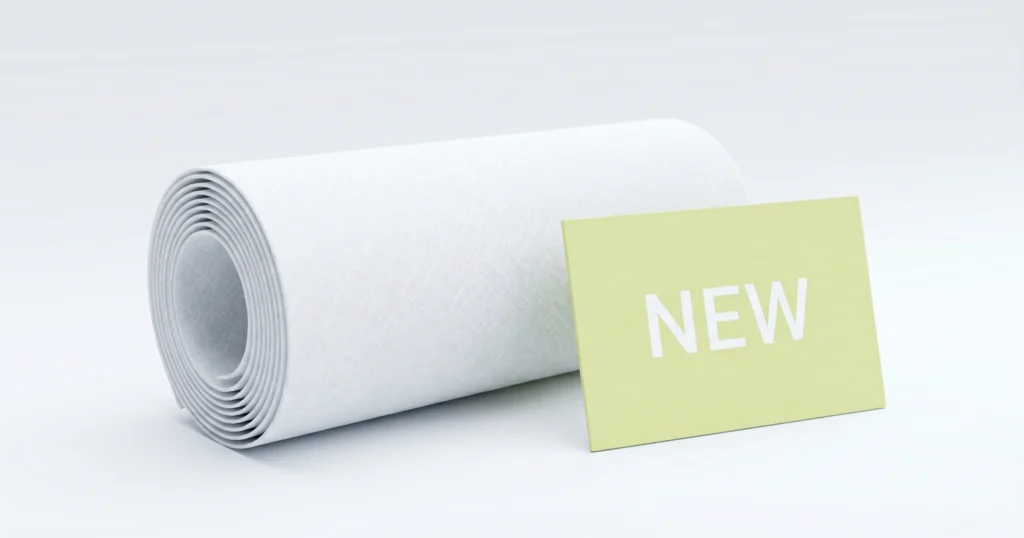
The Material Library is not a catalog — it is a curated, tested collection of material options organized by product layer and performance dimension.
What each entry contains: Material identification, supplier source, performance data from independent testing, cost positioning relative to alternatives, minimum order quantities, lead time, and integration notes for common product architectures.
What the Library enables: When a client engagement requires a material recommendation, the starting point is not a supplier sales call — it is tested data from materials we have already evaluated. This compresses the material selection phase from weeks to days.
How it stays current: Quarterly updates incorporate new materials from factory visits, trade show findings, and supplier R&D pipeline disclosures. Materials that fail re-evaluation or lose supplier support are flagged, not silently removed — because knowing what no longer works is as valuable as knowing what does.
Proof & Evidence
Related Solutions
Related Insights
The Cross-Component DOE: Testing Combinations, Not Individual Materials
Technical Deep Dive
The Blind Test: Why the Most Important Screening Step Is the One Most Brands Skip
Supply Chain Strategy
Hot-Air vs. Spunlace ADL: The Architecture Decision That Shapes Your Product
Technical Deep Dive
Approaching INDEX™ 26 Geneva: What a Supply Chain Engineer Looks For
Market TrendsDescribe your current challenge. We'll map it to the right methodology and tell you exactly what we'd do — before any commitment.