Method 21
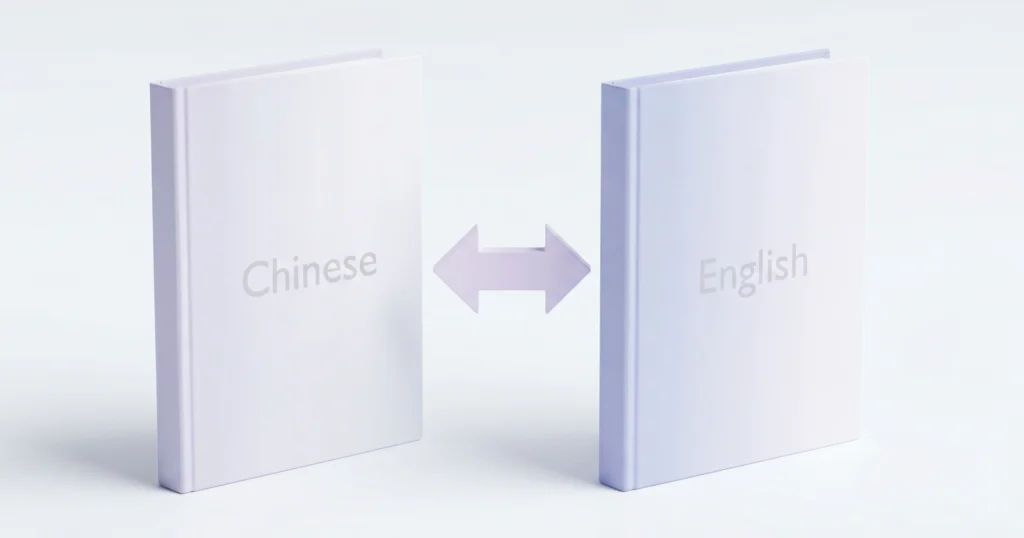
Problem it solves: You send detailed English specifications to your Chinese manufacturer. They confirm they understand. Samples arrive — and they do not match. The problem is rarely bad intent. It is that technical terms carry different assumptions in each language, and neither side sees the gap until physical samples expose it.
Bilingual specification engineering closes the gap between what the brand writes and what the factory builds — not through better translation, but through engineering documentation that works natively in both languages.
What you receive:
Bilingual Specification Set — every parameter defined in both English and Chinese with visual references, numerical targets, tolerance ranges, and test method specifications. No parameter relies on a single-language description.
Engineering Intent Annotations — for each specification, a bilingual note explaining why this parameter matters to the final product experience. Factory teams that understand the intent make better decisions when edge cases arise during production.
Bilingual QC Protocol — inspection criteria, sampling procedures, and acceptance criteria documented in both languages with identical structure. Quality verification produces the same result regardless of which language the inspector works in.
The specification set is designed to survive translation — not by being translated better, but by being built from the start in both languages by someone who has written production specs in both.
Proof & Evidence
Related Solutions
Related Insights
The Cross-Component DOE: Testing Combinations, Not Individual Materials
Technical Deep Dive
The Blind Test: Why the Most Important Screening Step Is the One Most Brands Skip
Supply Chain Strategy
Hot-Air vs. Spunlace ADL: The Architecture Decision That Shapes Your Product
Technical Deep Dive
Approaching INDEX™ 26 Geneva: What a Supply Chain Engineer Looks For
Market TrendsDescribe your current challenge. We'll map it to the right methodology and tell you exactly what we'd do — before any commitment.