Method 18
Problem it solves: Your product has a performance issue that standard testing cannot explain. Absorption speed is fine. Material specs are within tolerance. But the product still leaks, or bunches, or feels wrong. The problem is not in any single layer — it is in how the layers interact with each other under real-world conditions.
Layer interaction analysis answers questions that component-level testing cannot: why does a product assembled from individually acceptable materials still underperform?
What you receive:
Interface Performance Map — each layer boundary tested at multiple load cycles, with performance measured at the interface point, not just at the component level. You see exactly where liquid transfer slows, where rewet originates, and at what threshold.
Failure-Point Diagnosis — the specific interface and load cycle where performance degrades, with the physical mechanism identified (insufficient wicking, premature saturation, compression-induced rewet).
Targeted Intervention Recommendation — because the failure point is precisely located, the fix targets only the affected interface. You avoid the common and expensive mistake of redesigning a component that was not the problem.
Proof & Evidence
Related Solutions
Related Insights
The Cross-Component DOE: Testing Combinations, Not Individual Materials
Technical Deep Dive
The Blind Test: Why the Most Important Screening Step Is the One Most Brands Skip
Supply Chain Strategy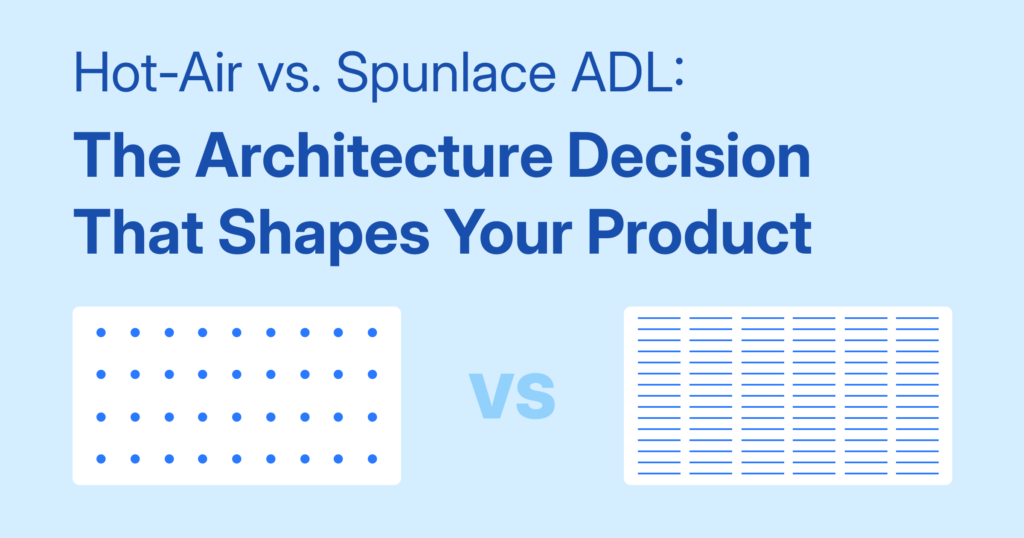
Hot-Air vs. Spunlace ADL: The Architecture Decision That Shapes Your Product
Technical Deep Dive
Approaching INDEX™ 26 Geneva: What a Supply Chain Engineer Looks For
Market TrendsDescribe your current challenge. We'll map it to the right methodology and tell you exactly what we'd do — before any commitment.